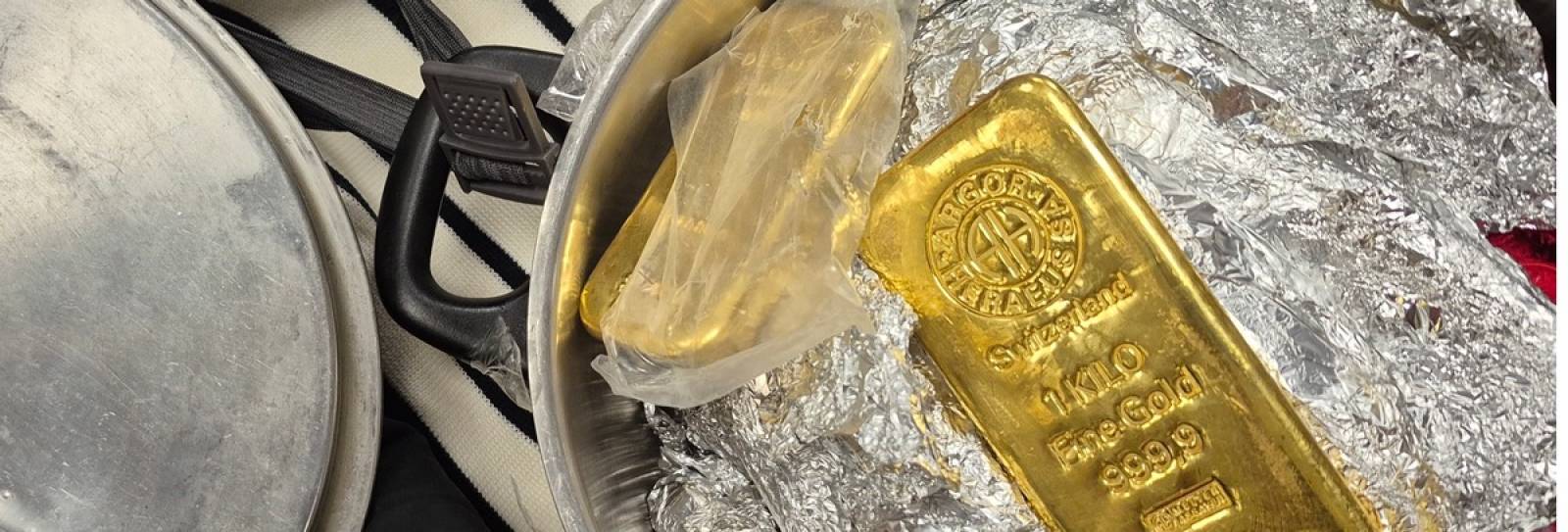
Frankfurt Customs: A Frontline in the Global Fight Against Money Laundering on Dubai Routes
Frankfurt Airport, a sprawling international hub, serves as a vital gateway connecting Germany and Europe to the rest of the world. With millions of passengers and tons of cargo passing through its terminals annually, it’s also a critical point of control for German Customs, known as the Zoll. The primary mission of Zoll Frankfurt extends far beyond collecting import duties; it encompasses the strenuous effort to combat serious financial crimes, particularly money laundering and the financing of terrorism. This vigilance is particularly pronounced on certain international routes, including those frequently connecting to Dubai.
The strategic importance of Frankfurt Airport makes it an attractive target for individuals attempting to transport undeclared cash. The high volume of traffic, coupled with the complex nature of international financial crime, demands constant innovation and heightened scrutiny from customs officials. Routes to the United Arab Emirates, and specifically to Dubai, often fall under this intensified watch, given Dubai's status as a significant global financial and trade center, which can, unfortunately, be exploited by illicit actors. A recent incident involving a passenger attempting to fly from Frankfurt to Dubai with €80,000 in undeclared cash vividly illustrates the ongoing challenges and the unwavering commitment of Zoll Frankfurt to upholding financial integrity.
The Vigilance of Zoll Frankfurt: Protecting Borders from Illicit Cash Flows
The Hauptzollamt Frankfurt am Main (Main Customs Office Frankfurt am Main) plays a pivotal role in Germany's national and international security efforts. Its dedicated officers are trained to detect and intercept illegal activities ranging from drug trafficking and counterfeiting to, most critically, the cross-border movement of illicit funds. Combating money laundering and terrorist financing requires a multi-faceted approach, combining intelligence gathering, risk profiling, advanced technology, and keen observational skills.
Frankfurt Airport, with its direct connections to nearly every corner of the globe, presents a unique operational environment. The sheer volume of passengers departing and arriving means that customs officials must be exceptionally efficient and discerning. Their focus on routes deemed "high-risk" for financial crime is a strategic necessity. Destinations like Dubai, while legitimate and vital economic hubs, have historically been routes sometimes utilized by individuals attempting to move large sums of cash without proper declaration. This doesn't imply illegitimacy of the destination itself, but rather highlights a pattern of exploitation that customs authorities worldwide must address.
The incident where a passenger was intercepted with €80,000 cash en route to Dubai underscores the relentless efforts of Zoll Frankfurt. This wasn't a random check; it was the result of targeted controls designed to disrupt the flow of dirty money. Such seizures not only recover potential proceeds of crime but also send a clear message: illegal financial activities will not go unnoticed or unchallenged at German borders.
Understanding Cash Declaration Rules: What Every Traveler Needs to Know
For many travelers, carrying cash is a simple convenience. However, when large sums are involved, it becomes a matter of international law and financial transparency. The European Union, like many jurisdictions worldwide, has strict rules regarding the declaration of cash when entering or exiting its borders. These regulations are not arbitrary; they are fundamental to the global fight against money laundering, terrorist financing, and other illicit financial activities.
The €10,000 Threshold: A Critical Guideline
The golden rule for travelers transiting through German airports, including Frankfurt, is simple: any person carrying €10,000 or more in cash (or its equivalent in other currencies) must declare it to customs officials. This rule applies whether you are entering or leaving the EU. The term "cash" is broad and includes not just banknotes and coins but also negotiable instruments such as traveler's cheques, bonds, shares, and even precious metals like gold in certain forms. The purpose of this declaration is to create transparency and allow authorities to trace large financial movements, preventing them from being used for illegal purposes.
Failing to declare cash above this threshold can lead to severe consequences. These can include:
- Fines: Significant monetary penalties, often directly proportional to the undeclared amount.
- Seizure: The entire amount of cash may be seized by customs authorities. In many cases, the money can be confiscated permanently if its illicit origin or intended use cannot be proven.
- Criminal Prosecution: Depending on the circumstances and the amount involved, individuals may face criminal charges related to money laundering or other financial crimes.
The incident involving a traveler departing from Zoll Frankfurt for Dubai with €80,000 cash serves as a stark reminder. This individual likely faced the immediate seizure of their funds and subsequent investigation, highlighting the grave repercussions of non-compliance. You can read more about this specific incident here: Frankfurt Customs Seizes 80,000 Euro From Dubai Traveler.
Beyond the €10,000 Threshold: When Cash Becomes Suspicious
It's important to understand that even if you declare cash above €10,000, customs officials retain the right to ask further questions. This is particularly true if the amount is significantly higher, or if other factors raise suspicions. Officers might inquire about:
- Source of Funds: Where did the money come from? (e.g., salary, sale of property, business profits, inheritance).
- Intended Use: What is the purpose of carrying such a large sum? (e.g., purchasing property, business investment, family support).
- Traveler's Profile: Their travel history, occupation, and overall demeanor.
Providing clear and consistent answers, along with supporting documentation (such as bank statements, invoices, or sale agreements), can significantly expedite the process. The core principle for customs is not to impede legitimate financial transactions but to identify and prevent illegal ones.
The Nexus Between Frankfurt, Dubai, and Financial Crime
The journey from Frankfurt to Dubai is not inherently linked to illicit activities. Both cities are vibrant centers for business, tourism, and international trade. However, the route does experience heightened scrutiny from Zoll Frankfurt due to several factors:
- Global Financial Hubs: Both Frankfurt and Dubai are major global financial centers. This means significant legitimate financial traffic, but also potential opportunities for criminals to exploit the system.
- Historical Precedent: Customs and law enforcement agencies have observed patterns where certain routes, including those to parts of the Middle East, have been historically utilized for the movement of undeclared cash, sometimes linked to criminal enterprises.
- Perceived Loopholes: While both Germany and the UAE have robust anti-money laundering (AML) frameworks, criminals may perceive routes connecting them as offering opportunities to exploit differences in regulatory enforcement or reporting thresholds.
The ongoing efforts by customs authorities like Zoll Frankfurt are crucial in challenging this perception and closing any perceived loopholes. Their work highlights the global interconnectedness of financial crime and the necessity for international cooperation. The incident of the €80,000 cash seizure on a Dubai-bound flight is a direct outcome of this targeted approach, demonstrating the proactive measures taken to safeguard the financial system. For more details on why customs may focus on such routes, consider reading: Dubai-Bound: Why Frankfurt Customs Intercepted 80K Euro Cash.
The Sophistication of Customs Controls at Frankfurt
Modern customs controls are far from simple visual inspections. At Frankfurt Airport, Zoll Frankfurt employs a sophisticated array of techniques and technologies:
- Risk Profiling: Based on intelligence, travel patterns, and behavioral indicators, customs officials identify passengers who warrant closer inspection.
- Cash Detection Dogs: Specially trained sniffer dogs are highly effective in detecting large quantities of cash, even when meticulously hidden.
- Advanced X-ray Scanners: These devices can reveal anomalies in luggage that might indicate hidden compartments or unusual items.
- Human Intelligence: Experienced officers are trained to observe subtle cues in passenger behavior, documentation, and responses to questions.
- International Cooperation: Information sharing with law enforcement agencies and customs offices in other countries helps build a clearer picture of illicit financial networks.
These combined efforts make it increasingly difficult for cash couriers to successfully transport undeclared funds through Frankfurt, regardless of their destination.
Practical Advice for Travelers: Avoiding Issues with Zoll Frankfurt
To ensure a smooth journey through Frankfurt Airport and avoid any unwelcome encounters with Zoll Frankfurt, especially when traveling on routes often under scrutiny like those to Dubai, consider the following practical advice:
- Always Declare Cash Above €10,000: This is the most crucial rule. If you are carrying €10,000 or more in cash or equivalent, seek out customs officials upon arrival or before departure and complete the necessary declaration form. There are no fees for declaring cash; it's simply a transparency measure.
- Keep Documentation for Source of Funds: If you are traveling with a large sum of money, have supporting documents ready. This includes bank statements, receipts from property sales, loan agreements, or business invoices that clearly demonstrate the legitimate origin of the funds.
- Understand the Definition of "Cash": Remember that the €10,000 limit includes not only banknotes and coins but also negotiable instruments like traveler's cheques, endorsed cheques, and gold coins or bars that are readily convertible to cash.
- Be Honest and Cooperative: If questioned by customs officials, provide truthful and consistent information. Attempting to deceive or obstruct an investigation will only worsen your situation.
- Consider Alternatives for Large Sums: For very large amounts of money, bank transfers are generally safer, more transparent, and often more cost-effective than carrying physical cash. Consult your bank about international transfer options before your trip.
- Check Destination Country Rules: Remember that your destination country (e.g., Dubai/UAE) may also have its own cash declaration limits and rules. Familiarize yourself with these as well to avoid issues upon arrival.
Conclusion
The continuous efforts of Zoll Frankfurt are indispensable in the global campaign against money laundering and the financing of terrorism. Through diligent controls, sophisticated techniques, and adherence to international regulations, they act as a formidable barrier against illicit financial flows. The vigilance demonstrated on specific routes, such as those connecting Frankfurt to Dubai, serves as a powerful deterrent to those who would seek to exploit legitimate travel channels for criminal purposes. By understanding and complying with cash declaration rules, travelers can contribute to maintaining financial integrity and ensure a seamless journey, while Zoll Frankfurt remains steadfast in its commitment to protecting Germany's borders and the wider international financial system.